God is not soft
I am very pro-life, but regarding some issues I am unequivocally pro-death.
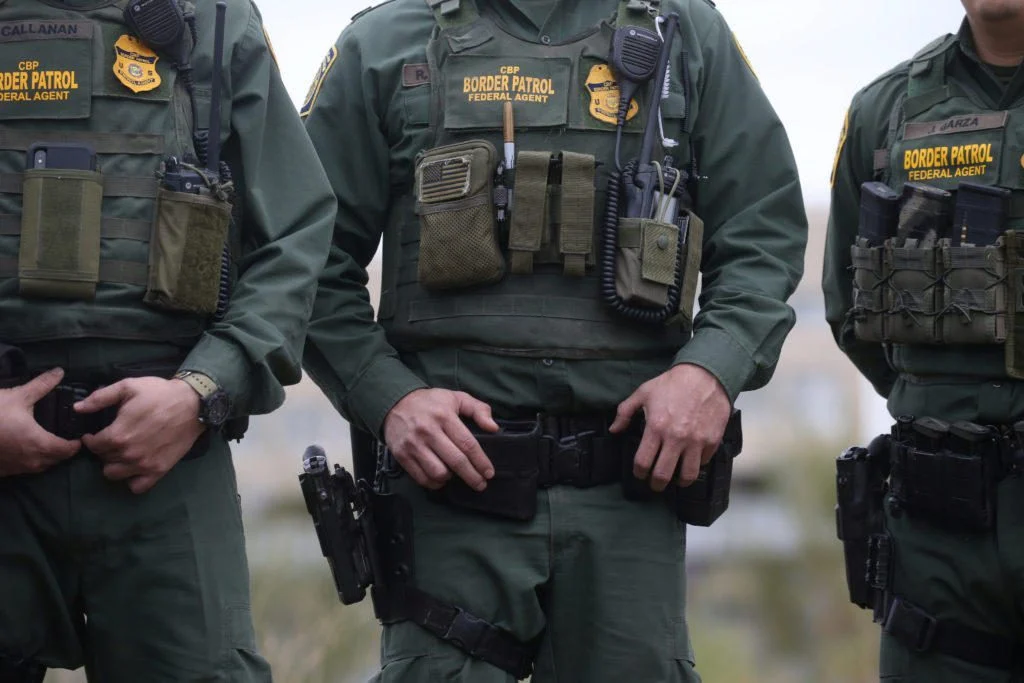
Recently, Florida governor and presidential candidate Ron DeSantis said if elected he would authorize “deadly force” to be used against drug runners cutting through the wall at our southern border. This has “appalled” some human rights defenders but other defenders of actual human rights, like me, support his strategy. He also signed a bill in Florida allowing for some rapists to get the death penalty, which I also support.
Deadly law enforcement, whether it comes from the pull of a trigger or the decision of a judge, is in my opinion usually justified but others disagree. Some seem to believe that life (at least outside of the womb) should be protected at all costs. They oppose the death penalty, police using guns to protect themselves and others (because for many of these rights defenders police officers’ lives are of lesser value), and meeting drug cartels at the border with the threat of deadly force. They believe that the intentional killing of another human being is the ultimate injustice (again . . . pro-aborts exclude the unborn), because there’s no undoing of the deed. It’s final. There’s nothing worse than losing your life, they think, and so even very bad guys should be spared.
But if God is the author of life and the standard for morality, shouldn’t his activity and attitude regarding “deadly force” be our standard? Do we find ourselves actually opposing God in our extreme mercies extended to the guilty?
Consider the extreme judgment God personally executed on Nadab and Abihu in the Old Testament and Ananias and Sapphira in the New. Each of them was suddenly and summarily rendered lifeless by the invisible finger of God for actions that would barely merit a slap on the wrist in our estimation.
Consider also God’s decree that, “Whoever sheds the blood of man, by man shall his blood be shed.” He even commanded the people of Israel to put people to death for stealing, or cursing their parents. Harsh.
Many of these severe judgments were specific for his chosen people and not to be considered universal. But the point is that if God considers intentional killing sometimes justifiable, so should we.
More on the righteous nature of deadly force next time.





Pingback: Deserved and desirable death | a reasonable faith